

Headless CMS Kya Hai? Aur 2026 Mein Iska Trend Kyun Badh Raha Hai?
Pehle ke samay mein (aur aaj bhi bahut jagah), hum Traditional CMS jaise WordPress ya Joomla ka istemal karte hain. Inhe “Monolithic” CMS kaha jata hai kyunki isme Backend (jahan content likha jata hai) aur Frontend (jo user ko dikhta hai) ek saath jude hote hain.
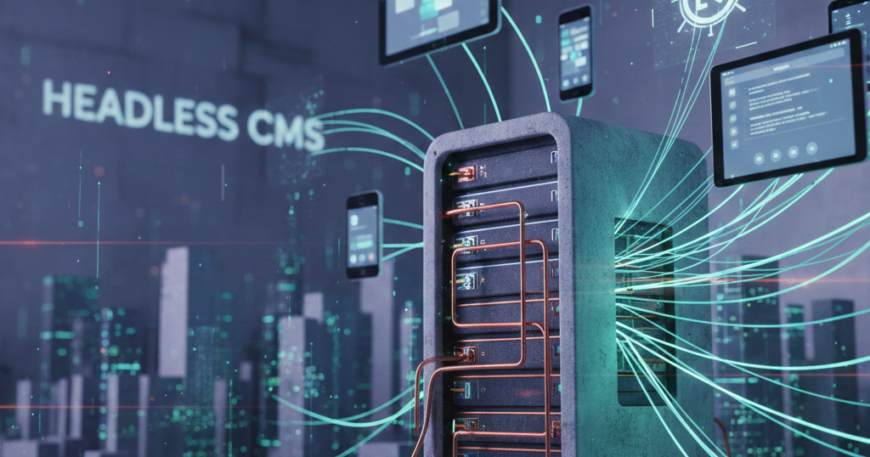
Headless CMS is purane system ko do hisson mein baant deta hai:
- The Body (Backend): Jahan aapka content (text, images, videos) store hota hai.
- The Head (Frontend): Woh interface jahan user content dekhta hai (Website, Mobile App, Smartwatch, ya AI Assistant).
Isme “Head” (Frontend) nahi hota, isliye ise Headless kaha jata hai. Content ko APIs (REST API ya GraphQL) ke zariye kisi bhi “Head” par bheja ja sakta hai.
1. Traditional CMS vs. Headless CMS: Antar Kya Hai?
| Feature | Traditional CMS (e.g., WordPress) | Headless CMS (e.g., Strapi, Contentful) | | :— | :— | :— | | Architecture | Backend aur Frontend ek saath jude hain. | Backend aur Frontend alag-alag hain. | | Flexibility | Limited design (Themes par depend). | Infinite Flexibility (Kahin bhi display karein). | | Speed | Plugins ki wajah se slow ho sakta hai. | Super Fast (Sirf zaroori data load hota hai). | | Security | Database aur UI ek hi jagah, zyada risk. | High Security (Frontend aur Backend alag hain). | | Omnichannel | Sirf web ke liye best hai. | Omnichannel Ready (Web, App, IoT, sabke liye). |
2. 2026 Mein Headless CMS Trend Mein Kyun Hai?
2026 tak, internet sirf laptop aur mobile tak mahdood nahi reh gaya hai. Headless CMS ke trend ke peeche niche diye gaye 4 bade kaaran hain:
A. Omnichannel Content Delivery (Ek Content, Kahin Bhi)
Aaj ke daur mein companies ko apna content sirf website par nahi dikhana hota. Unhe wahi content Mobile App, Smart TV, VR Headsets, aur IoT devices (jaise smart refrigerators) par bhi bhejna padta hai. Headless CMS ek “Single Source of Truth” ka kaam karta hai jahan se content har jagah automatically update ho jata hai.
B. High Performance aur Core Web Vitals
Google ke ranking algorithms ab Page Speed aur User Experience par bahut zyada zor dete hain. Headless CMS ke saath developers modern frameworks jaise Next.js, Astro, ya React ka istemal karte hain, jo website ko lightning-fast banate hain.
Metric: Headless architecture ka istemal karne wali websites ka conversion rate 15% se 30% tak badh sakta hai kyunki unka loading time kam hota hai.
C. AI aur Personalized Experience
2026 mein AI har jagah hai. Headless CMS, AI models ke saath aasani se integrate ho jate hain. Yeh user ke behavior ko samajhkar unhe Personalized Content dikhane mein madad karte hain. Kyunki content API ke zariye aata hai, AI use real-time mein modify karke dikha sakta hai.
D. Developer Freedom (Apni Marzi ki Language)
Traditional CMS mein developers ko wahi language use karni padti thi jo CMS support kare (jaise WordPress ke liye PHP). Headless CMS mein developers apni pasand ki kisi bhi language (JavaScript, Python, Go) ka istemal kar sakte hain. Isse Innovation badhti hai.
3. Headless CMS ke Fayde (Pros)
- Security: Kyunki frontend ka backend se direct link nahi hota, hackers ke liye database tak pahunchna bahut mushkil hota hai.
- Scalability: Agar aapke paas lakhon users aa jayein, toh aap frontend aur backend ko alag-alag scale kar sakte hain.
- Future-Proof: Agar kal ko koi nayi technology aati hai (jaise MetaVerse), toh aapko apna pura content phir se nahi likhna padega, bas ek naya “Head” connect karna hoga.
4. Kya Headless CMS Sabke Liye Hai? (The Reality Check)
Itne saare faydon ke bawajood, Headless CMS har kisi ke liye sahi nahi hai:
- Technical Knowledge: Ise set up karne ke liye aapko developers ki zarurat padegi. Yeh “Plug-and-Play” nahi hai.
- Cost: Ise build aur maintain karna traditional WordPress site se mehnga ho sakta hai.
- No Live Preview: Kuch headless systems mein content likhte waqt uska “Live Preview” dekhna thoda complex ho sakta hai (halaki 2026 ke modern tools ne ise kaafi had tak solve kar diya hai).
5. Popular Headless CMS Tools (2026)
Agar aap switch karne ka soch rahe hain, toh yeh top tools hain:
- Strapi: Sabse zyada popular open-source headless CMS.
- Contentful: Enterprise level ke liye best SaaS based solution.
- Sanity: Jise real-time collaboration aur customization pasand hai.
- Ghost: Agar aapka focus sirf publishing aur blogs par hai.
Conclusion
2026 mein, Headless CMS sirf ek option nahi balki ek zaroorat banta ja raha hai un businesses ke liye jo scale karna chahte hain aur fast-paced digital world mein survive karna chahte hain.
Summary:
- Agar aap ek choti website ya personal blog bana rahe hain, toh WordPress abhi bhi best hai.
- Lekin agar aap ek startup, enterprise, ya modern tech-product build kar rahe hain jo mobile, web aur AI sab par chalega, toh Headless CMS hi aapka future hai.
Kya aapne kabhi Headless CMS try kiya hai? Niche comments mein apne sawal ya experience share karein!