


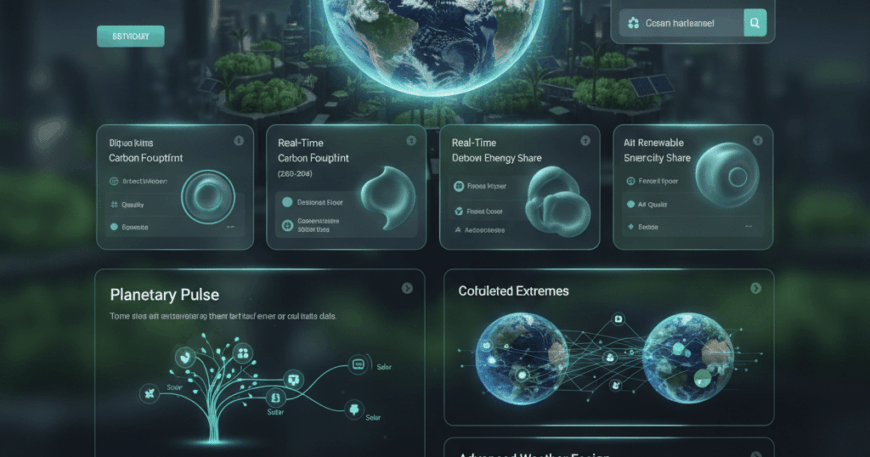
Designing for the Next Frontier: Innovative Trends in Website Designing for 2026
Innovative Website Design Trends for 2026. The digital world is moving at an unprecedented pace. As we approach 2026, the concept of a “website” is undergoing a radical transformation. We are moving away from the era of static, two-dimensional pages toward a future defined by Spatial Computing, Generative Interfaces, and Emotional Intelligence.
In 2026, web design is no longer just about layouts and color palettes; it is about creating an ecosystem that feels alive, personalized, and environmentally conscious. For brands and designers, staying ahead means embracing technologies that bridge the gap between the physical and digital worlds.
Here are the most innovative trends in website design that will define the landscape in 2026.
1. Generative and Hyper-Personalized User Interfaces (UI)
The “one-size-fits-all” website is officially a relic of the past. By 2026, Generative UI will allow websites to restructure themselves in real-time based on the individual user’s behavior, preferences, and even their current mood.
- How it Works: Using machine learning, the website analyzes the user’s intent. If a user is a fast-paced “skimmer,” the site might display a bulleted summary and high-contrast visuals. If the user is a researcher, the site transforms to show deep-dive articles and technical data.
- Key Concept: Context-Aware Design ensures that the interface adapts to the user’s current environment, such as switching to high-contrast modes for outdoor sunlight or simplified navigation for users on the move.
- Impact: This increases Conversion Rates by reducing the friction between the user and the information they seek.
2. Spatial Web and 3D Immersive Environments
With the mass adoption of augmented reality (AR) and mixed reality (MR) hardware, websites are breaking out of the “browser box.” The Spatial Web trend involves designing sites that have depth, physics, and three-dimensional presence.
- Interactive 3D Objects: Products are no longer shown in galleries; they are rendered in high-fidelity 3D using WebGPU, allowing users to rotate, disassemble, and virtually place items in their own physical space.
- Z-Axis Navigation: Instead of just scrolling down (Y-axis), users can move “into” a website, exploring layers of information as if walking through a gallery.
- Actionable Step: Designers should master tools like Spline or Three.js to integrate lightweight, high-performance 3D elements that don’t compromise page load speeds.
3. Kinetic Typography and Motion-Triggered Storytelling
In 2026, text is no longer just for reading—it’s a performance. Kinetic Typography refers to text that moves, shifts, and responds to the user’s cursor or scroll position.
- Variable Fonts 2.0: These fonts don’t just change weight or slant; they react to audio input or mouse movement, creating a living brand voice.
- Scroll-Mapping: As a user scrolls, the text might morph into shapes or guide the eye toward specific Call-to-Action (CTA) buttons through fluid movement.
- Why It Works: It captures attention in a world of short attention spans, turning a simple blog post or landing page into a captivating visual story.
4. AI-Driven “Zero-UI” and Voice-Gesture Navigation
We are entering the “Post-Click” era. Innovative websites in 2026 are incorporating Zero-UI principles, where the primary interaction isn’t through buttons or menus, but through natural movements and voice.
- Voice Search Integration: Beyond simple commands, sites will use Natural Language Processing (NLP) to handle complex queries like “Show me the blue jackets that are currently on sale and available in my size.”
- Gesture Control: Utilizing the user’s webcam, websites can allow for navigation via hand gestures—perfect for “lean-back” browsing experiences on smart TVs or large monitors.
- The Goal: To make web interaction as intuitive as a human conversation, removing the learning curve for new users.
5. Sustainable and Low-Carbon Design
As global awareness of the “Digital Carbon Footprint” grows, Sustainable Web Design has become a prestigious trend rather than just a niche requirement. High-performance, low-energy sites are the gold standard for 2026.
- Eco-Friendly Assets: Using Vector Graphics (SVG) instead of heavy raster images and adopting “Dark Mode” by default to save energy on OLED screens.
- Minimalist Code: Stripping away unnecessary JavaScript libraries to ensure the site requires less processing power from the user’s device.
- Metric to Watch: Carbon per Page View. Forward-thinking brands will display a small badge indicating the carbon efficiency of their website.
6. Neubrutalism and “The Raw Web” Aesthetic
Visually, the polished, overly-rounded look of the early 2020s is giving way to Neubrutalism. This trend embraces raw layouts, bold typography, and a lack of traditional “gloss.”
- Unapologetic Layouts: Expect to see harsh shadows, vibrant “clashing” colors, and visible grid lines that celebrate the digital nature of the web rather than trying to mimic physical paper.
- High-Functionalism: This aesthetic prioritizes clarity and speed, often stripping away decorative elements to focus on the core utility of the site.
- Best For: Fintech, tech startups, and creative agencies looking to project a “disruptive” and transparent brand image.
7. Emotional Design and Micro-Interactions
In 2026, websites will focus on Emotional Intelligence. Through subtle micro-interactions, a site can provide feedback that feels empathetic and human.
- Haptic Feedback: On mobile devices, websites will use subtle vibrations to signal a successful form submission or a gentle “thud” if an error occurs.
- Micro-Animations: A “Like” button that doesn’t just change color but explodes in a small, satisfying animation, or a progress bar that “pulses” like a heartbeat.
- Psychology: These small details trigger Dopamine Hits, making the user feel more connected to the brand and increasing the likelihood of return visits.
How to Prepare Your Design Strategy for 2026( Innovative Website Design Trends for 2026)
To stay competitive, businesses and designers should begin implementing these future-proof steps today:
- Optimize for WebGPU: Ensure your technical infrastructure is ready to handle high-fidelity 3D graphics without lag.
- Audit Your Accessibility: AI-driven accessibility is now the baseline. Your site should be navigable by screen readers and voice commands without compromise.
- Invest in First-Party Data: Since hyper-personalization requires user understanding, focus on building trust to gather the data needed for generative interfaces.
- Prioritize Speed: Regardless of the visual trend, Core Web Vitals will remain the most important metric for both SEO and user retention.